Your teenager hasn’t put the phone down all morning. Your ten-year-old is asking the same question on a loop. Then a bull elephant the size of a truck steps silently out of the bush, three metres from your vehicle, and everyone goes completely quiet.
That moment is what a Kenya family safari is built for. Kenya delivers it more reliably than almost anywhere else in Africa, and with the right planning it is one of the most genuinely rewarding trips a family can take together. This guide covers the best parks by age group, what to look for in family-friendly camps, activity options beyond the game drive, safety essentials, and a seven-day sample itinerary you can adapt for 2026.
Why Kenya Works Well for Families
Kenya has practical advantages that make it unusually well-suited to travelling with children, particularly compared to some southern African safari destinations.
The country is compact. You can combine two or three very different ecosystems in a single week without spending half the trip on road transfers. Wildlife density in parks like the Masai Mara is high enough that younger visitors do not spend long stretches waiting without seeing anything. And Kenya’s camp infrastructure has matured significantly in recent years, with a growing number of properties offering family tents, swimming pools, and structured children’s activities alongside game drives.
The “wow moment to waiting around” ratio is higher in Kenya than many families expect. That makes it an accessible first safari destination for children who need regular stimulation to stay engaged.
Best Parks for a Kenya Family Safari
Not every park is equally suited to family travel. Distance from Nairobi, terrain, wildlife density, and camp minimum age policies all factor into the decision.
| Park | Best Age Range | Top Activities for Children | Drive from Nairobi |
|---|---|---|---|
| Masai Mara | 6 and above | Big Five drives, Maasai cultural visits | 5 to 6 hours road or 45-minute flight |
| Amboseli | 6 and above | Elephant herds, Kilimanjaro views, open terrain | 4 hours road |
| Nairobi | All ages | Giraffe Centre, elephant orphanage, national park | In the city |
| Lake Nakuru | 5 and above | Flamingos, rhinos, compact loop drives | 2.5 hours road |
| Samburu | 8 and above | Special Five, Ewaso Nyiro river drives | 6 hours road or 1-hour flight |
| Ol Pejeta | 6 and above | Chimp sanctuary, rhinos, Big Five | 3.5 hours road |
Masai Mara
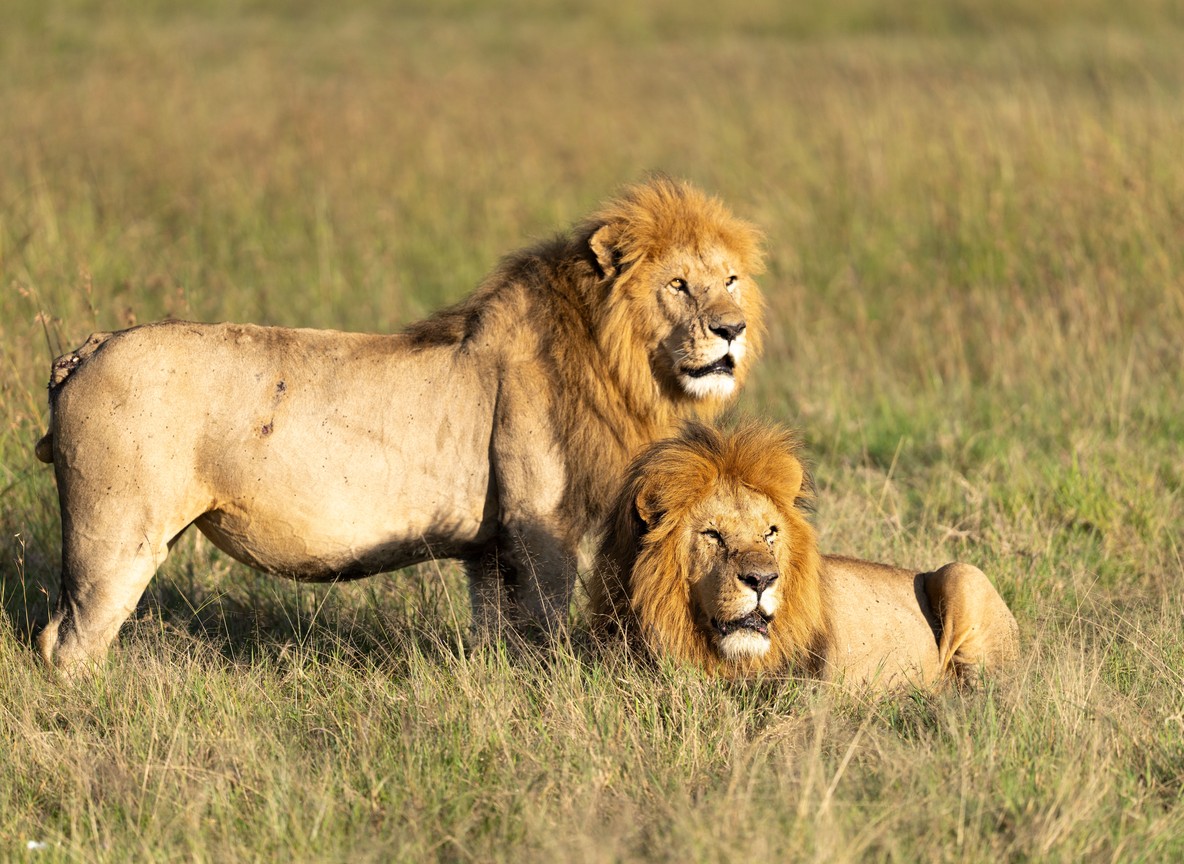
The Masai Mara remains the flagship family safari destination in Kenya. Game density is unmatched. Children who have only seen lions on screen typically go quiet the first time they watch a pride at sunrise. The open grasslands make spotting straightforward, and experienced guides know how to hold children’s attention through storytelling, animal tracking, and Maasai cultural context.
Amboseli
Amboseli is arguably the best single park for younger children. The terrain is flat and open, meaning you spot elephants from a distance and approach gradually rather than encountering them suddenly. The backdrop of Kilimanjaro on a clear morning produces photographs that families keep for decades. Amboseli also tends to feel less crowded than the Mara, which gives children more space to absorb the experience at their own pace.
Nairobi as a Starting Point
Nairobi is frequently overlooked as a safari start, but it is an excellent one, especially for first-timers with children. The Giraffe Centre allows children to feed Rothschild giraffes by hand from a raised platform. The David Sheldrick Elephant Orphanage offers a 45-minute visit where keepers introduce individual orphaned elephants by name and story. These interactive experiences build emotional connection before the full bush experience begins.
What Age Is Right for a Kenya Safari?
The honest answer: it depends on the camp and the child. As a working guide for planning:
- Under 5: Not recommended for most bush camps. Open vehicles, early starts, and unfenced territory create genuine safety and logistics challenges. Nairobi day activities are a better fit for this age group.
- 5 to 7: Appropriate in more enclosed reserves and at family-specific lodges with dedicated programmes. Lake Nakuru and Ol Pejeta work well. Most tented camps in the Mara and Amboseli set minimum ages at 6 or 7.
- 8 to 12: The full safari experience is appropriate. Children this age retain the detail, ask thoughtful questions, and are often more absorbed in what they see than the adults alongside them.
- Teenagers: The safari works very well for this group. Walking safaris where available, Maasai cultural visits, and photography challenges keep them genuinely engaged.
Always confirm minimum age policies directly with individual camps before booking. Policies vary and are enforced at the property level.
What to Look For in Family-Friendly Camps
The gap between a standard safari camp and one that genuinely works for families is significant. Key things to check:
- Family tent or suite configuration. A single interconnecting unit where everyone sleeps under the same roof, not across a dark pathway at 2 a.m. through unfenced bush.
- Minimum age policy in writing. Confirm directly with the property, not just from what the website says.
- Child-appropriate meal timing. Luxury camps sometimes serve dinner at 8 p.m. Children on safari are often exhausted by 7. Ask whether timing is flexible.
- A swimming pool. For afternoon downtime between drives when heat is high and children need a change of pace.
- Junior ranger or kids’ programmes. Structured activities run by camp naturalists that give children a focused learning experience.
Specific properties with a strong family track record:
- Elephant Pepper Camp (Mara North Conservancy): Intimate atmosphere, excellent guides, family tent available.
- Karen Blixen Camp (Masai Mara): Family tents on the Mara River, dedicated family programme, flexible meal service.
- Amboseli Serena Safari Lodge: Family rooms, a strong children’s activity programme, swimming pool with Kilimanjaro views.
- Ol Pejeta Conservancy lodges: The chimpanzee sanctuary adds a dimension no other Kenyan park offers for children.
Activities Beyond the Game Drive
Game drives are the core of the experience, but a well-structured family trip layers in additional activities that children engage with differently.
Maasai cultural visits. Most Mara camps arrange visits to a nearby Maasai boma. Children are shown how fire is made by hand, introduced to traditional beadwork, and invited to participate in activities. It is interactive rather than passive, which makes it stick.
Junior ranger programmes. Several camps run half-day sessions where a guide takes children into the bush to learn animal tracking, bird identification, and basic ecology. Children typically receive a certificate at the end. This is a consistently popular option for families who want children to engage with the bush as participants, not just observers.
Giraffe feeding in Nairobi. The Giraffe Centre feeds Rothschild giraffes from a raised platform at eye level, allowing children to offer food pellets directly from their palm. For many children, this is the most memorable moment of the entire trip.
Bush walks. Available at selected conservancies for children aged 8 and above, with an armed ranger alongside the guide. Walking teaches children to read the landscape at ground level, noticing tracks, insects, and plant structures that a vehicle drives past without stopping.
Photography challenges. Simple tasks set by the guide, such as photographing something small, something far away, and something that surprised you, give older children a sense of purpose on longer drives.
Safety: What Every Parent Needs to Know
Kenya is a very safe safari destination for families when you travel with an experienced, licensed operator. A few specifics worth being clear on before you go:
Malaria prophylaxis is required for all game areas. Children’s doses depend on weight rather than age. Consult a travel medicine clinic at least four to six weeks before departure.
No night walking in camp is a universal rule at reputable properties. Children must be accompanied by a camp escort after dark, always. Establish this clearly with your children before arrival.
Vehicles are open-sided, not enclosed. Standing, leaning out, or reaching past the vehicle edge is not permitted. Children should sit next to a parent or guide at all times. Guides enforce this consistently.
Equatorial sun is intense. Game drives run in early morning and late afternoon, but sunburn can still occur. Broad-spectrum SPF 50, hats, and personal water bottles for every child are essential.
First aid and emergency protocols. Ask any camp or operator you book with what first aid resources they carry in vehicles and how they handle medical emergencies in the field.
A Seven-Day Sample Itinerary
For families visiting Kenya for the first time, a seven-day structure works well. It introduces ecosystems progressively, builds confidence across the week, and avoids the exhaustion of trying to cover too much ground.
Days 1 to 2: Nairobi Arrive, rest, and adjust to the time change. Morning visit to the Giraffe Centre and Elephant Orphanage. Afternoon at leisure or Nairobi National Park for a short game drive. Two nights in Nairobi before heading to the bush makes a significant difference for children crossing multiple time zones.
Days 3 to 5: Masai Mara Fly or drive to the Mara. Three nights gives you at least four game drives plus a Maasai cultural visit and time to properly settle into the camp routine. The rhythm of early drive, late breakfast, afternoon rest, and evening drive becomes something children look forward to rather than resist.
Days 6 to 7: Amboseli Fly or drive south to Amboseli for two nights. The contrast with the Mara is complete: open plains rather than tall grassland, an elephant-focused experience, and the potential for Kilimanjaro on clear mornings. An early drive on day seven, followed by transfer back to Nairobi for a departure flight, rounds out the itinerary without a wasted day.
This structure sits comfortably in the mid-range budget bracket at $850 to $1,500 per person depending on camp tier and flight choices, with private variations available both above and below this range.
Explorer Notes
- Book family tents and interconnecting suites well in advance. They are the first room categories to sell out, particularly for July to October when the migration is active in the Mara.
- Fly-in transfers between Nairobi, the Mara, and Amboseli are significantly more efficient for families with younger children than road transfers, which can take four to six hours per leg.
- Confirm minimum age policies in writing before any deposit is paid. What a website states and what a camp enforces at check-in can sometimes differ.
- The Giraffe Centre in Nairobi is open daily and can be booked at the gate, but mornings are less crowded than afternoons.
- The David Sheldrick Elephant Orphanage visit is most impactful at the morning feeding session, typically held from 11 a.m. to noon. Check current schedules before visiting.
What to Read Next
- Best time to visit Kenya for a family safari: migration season, school holidays, and which parks suit different age groups
- Amboseli with children: a closer look at Kenya’s best park for younger safari travellers
- Masai Mara family camps: what to look for and which properties consistently perform well for families
Turn this reading into a real itinerary with help from a Kenya-based safari team.
Start Planning Your Safari